

Oxalates (Organic Acids Test)
$321.00

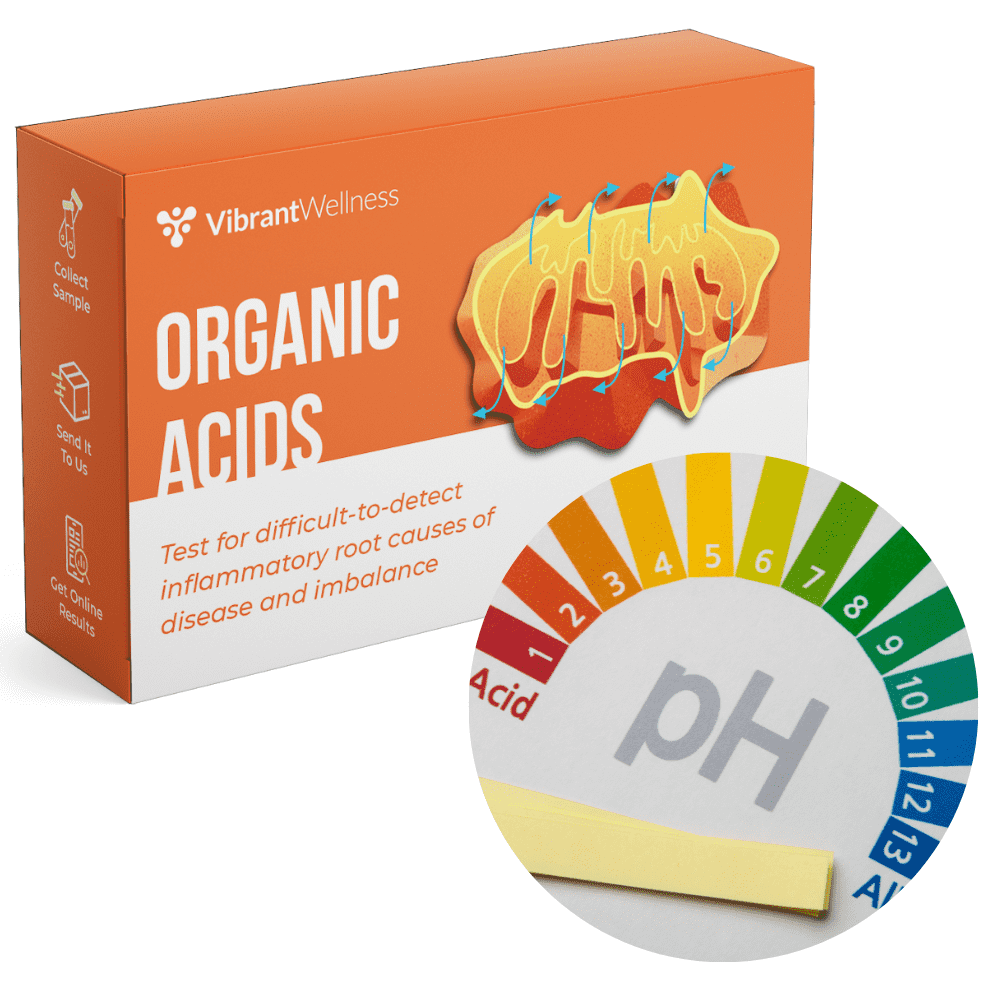
The Organic Acids Test detects the organic acids in urine that are byproducts of daily cellular metabolism. The panel can accurately identify conditions associated with genetic disorders, nutrient deficiencies, intestinal dysbiosis, and toxicity from diet and prescription drugs.
The Organic Acids panel is designed to take a broad look at multiple systems affected by inflammation. If you’re experiencing gastrointestinal, neurological, detoxification, toxic exposure, or other inflammatory symptoms, you may benefit from this panel.
Bioavailable (Orally Absorbed)
Our supplements have been scientifically engineered to be absorbed into the body both orally and topically.
Tested to the Highest Standard
Third party tested throughout the entire manufacturing lifecycle to ensure potency and safety.
Created by Experts
Our scientifically formulated products unlock your body's regenerative potential to enhance your human experience.
Finally a Company You Can Trust
Bringing you the highest quality of supplements at an affordable price. No more painful injections.
Description
Organic Acids test Including Oxalates or Oxalic Acid along with other toxins.
The Organic Acids Test (OAT) detects Oxalates in urine, which are byproducts of daily cellular metabolism. This comprehensive panel accurately identifies conditions linked to genetic disorders, nutrient deficiencies, intestinal dysbiosis, and toxicity resulting from diet and prescription drugs.Designed to provide a broad perspective on systems affected by inflammation, the Oxalates panel is precious for individuals experiencing symptoms related to gastrointestinal issues, neurological challenges, detoxification, toxic exposure, or other inflammatory conditions.Importance of the Test:According to the World Health Organization (WHO), chronic inflammatory diseases rank as the leading cause of death worldwide. Organic acid markers, derived from known metabolic pathways and enzyme-cofactor requirements, offer significant insights into the underlying causes of chronic symptoms. The Oxalates Test can help detect imbalances in metabolism, infection risk, impaired detoxification, nutrient deficiencies, toxicity, and inflammation in those with chronic or complex acute illnesses.
Understanding Genetic Disorders Linked to Elevated Oxalate Production
Genetic disorders leading to increased oxalate production primarily fall under the category of primary hyperoxaluria, which comprises two main types. Both types result in heightened oxalate levels in the body, manifesting through increased excretion in urine and the formation of kidney stones due to oxalate deposits.Type I Primary Hyperoxaluria
- Defect in Glyoxalate Metabolism: The first type is marked by a disruption in the normal metabolism of glyoxalate, which results in an overproduction of oxalate.
- Consequences: Individuals exhibit elevated glyoxylic and glycolic acid levels in their urine.
Type II Primary Hyperoxaluria
- Rarity: This type is less common than Type I.
- Distinct Characteristics: It is characterized by increased urinary excretion of oxalic and L-glyceric acids, while glycolic acid levels remain unaffected.
What Dietary Factors Can Influence Hyperoxaluria?
Hyperoxaluria is a condition where there is an excessive excretion of oxalate in the urine, often influenced by dietary choices. Here’s a breakdown of elements in your diet that can play a role:- Animal Proteins: Consuming high amounts of animal protein can contribute to increased oxalate levels.
- Purine-Rich Foods: Foods high in purines, such as certain meats and seafood, affect oxalate metabolism.
- Gelatin: This is another factor that might boost oxalate levels.
- Calcium & Certain Vegetables: While calcium is important for bone health, combining it with certain oxalate-rich foods can increase risk. Rhubarb, beets, spinach, and even common ingredients like peppers and tomatoes are high in oxalate content.
- Fruits and Chocolates: Strawberries, chocolate, and cocoa should be consumed in moderation due to their high oxalate content.
- Beverages: Tea is also a significant contributor to dietary oxalate levels.
 Insomnia at night or fatigue (sluggish, tired)
 Anxiety or lack of concentration/Brain fog
  Nausea or Diarrhea Hyperactive (nervous energy) Depression or forgetfulness
 The Influence of Vitamin C on Oxalate Excretion and Kidney Stone Risk
Vitamin C, while beneficial for many health reasons, can affect oxalate excretion in the body, impacting kidney stone risk. When consumed in high doses, sometimes called ‘megadoses,’ vitamin C can increase the amount of oxalate expelled through urine. This rise in oxalate levels can be problematic for those predisposed to a type of kidney stone called calcium oxalate stones.Understanding the Risk
- High Oxalate Levels: The body breaks down excess vitamin C into oxalate. Elevated urine oxalate may heighten the risk of stone formation.
- Identifying the Cause: A history of high vitamin C intake might explain increased oxalate excretion in stone formers.
Recommendations
- Monitor Vitamin C Intake: If you are prone to forming kidney stones, regulating vitamin C consumption is advisable.
- Assess Changes: If reducing vitamin C intake decreases urine oxalate levels, additional treatments might not be necessary to prevent stone recurrence.
Understanding Oxalate Level Reference Intervals
When assessing oxalate levels, it’s essential to know the typical reference intervals, which vary by age and sex.Children
- Under 7 years: Reference intervals are generally not established for children in this age group.
- Ages 7 to 14: Normal oxalate levels range from 13 to 38 mg over 24 hours.
Adults
- Men: Expected levels are between 7 and 44 mg per 24 hours.
- Women: The typical interval ranges from 4 to 31 mg per day.
 Organic Acids One Pager.pdf Organic Acids Markers.pdf How it works 1. Order Your Test.
 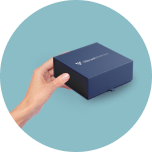 2. Activate Your Kit Scan the QR CODE to activate your kit.
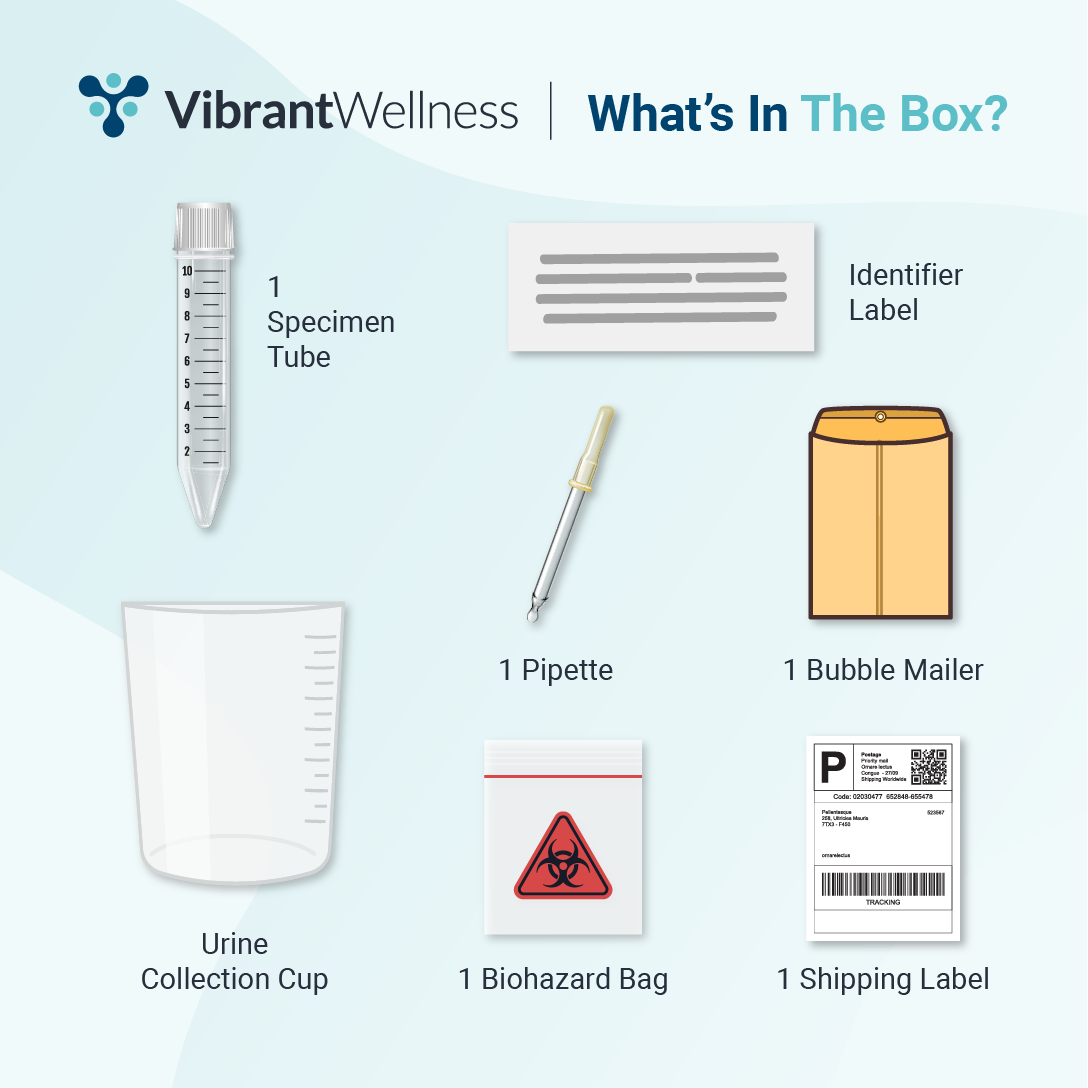
  3. Collect Your Sample Follow the instructions in your test kit to collect your sample.
  4. Ship your sample to our lab team for analysis.
  5. Receive your personalized report within 2-3 weeks.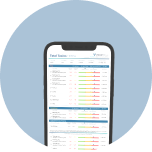
Methodology for Oxalate Urine Test
The oxalate urine test typically uses an enzymatic method to measure oxalate levels in the urine. This approach provides accurate results for diagnosing various medical conditions related to oxalate metabolism.Steps Involved:- Sample Collection: A 24-hour urine sample is collected to comprehensively evaluate oxalate excretion over a full day.
- Enzyme Reaction: The test employs specific enzymes that react with oxalate present in the urine. This reaction facilitates the breakdown of oxalate into measurable byproducts.
- Quantification: Oxalate breakdown produces a change in color or another detectable signal. This change is measured using spectrophotometry, which allows for precise quantification of oxalate concentration.
- Result Analysis: The quantified oxalate levels are then compared to standard reference ranges to determine if they fall within normal limits.
Specimen Requirements for the Oxalate Test
When preparing a specimen for the oxalate test, it’s important to follow precise guidelines to ensure accurate results.Type of Specimen
- Urine: Collect over 24 hours.
Required Volume
- Optimal Volume: Submit a 10 mL aliquot for testing.
- Minimum Volume: A 2.5 mL aliquot is acceptable, but this may be insufficient for repeat testing if needed.
Collection Container
- Use a durable plastic container specifically designed for 24-hour urine collection, equipped with an appropriate preservative, such as 6N HCl.
Collection Instructions
- Start Time: The collection begins after voiding at 8 a.m. Or 8 p.m., discarding the initial sample.
- Collection Period: Collect all urine output for the next 24 hours, including the final specimen voided at the end of this period.
- Labeling: Label the container with the patient’s name and the dates and times the collection started and ended.
- Total Volume Recording: Measure and document the total volume of urine collected.
- Mixing and pH Level: Mix the specimen thoroughly, ensuring the pH is ≤3. If it is not, adjust accordingly.
Preservative Use
- While the preservative isn’t necessary during the initial collection, it must be added to the urine within 24 hours to maintain sample stability.
How to Collect a 24-Hour Urine Sample for Your Test
Collecting a 24-hour urine sample is a straightforward process, but it requires careful attention to detail. Here’s what you need to do:- Start the Collection:
- On the first day, empty your bladder and discard this initial urine at 8 a.m. or 8 p.m. This step marks the official start of your 24-hour collection period.
- Collect Throughout the Day:
- For the next 24 hours, gather every bit of urine you produce in a designated container. Keeping the container in a cool place, like a refrigerator, is crucial to ensure the sample remains suitable for analysis.
- Complete the Collection:
- Void once more and add this final specimen to the container at exactly the same time the next day (8 a.m. or 8 p.m.).
- Label and Prepare:
- Clearly label the container with your name, alongside the date and time you began and ended the collection.
- Measure and Record:
- Check the total volume of urine collected and note this measurement. This information is important for the lab’s analysis.
- Mix the Sample:
- Thoroughly mix the urine to ensure consistency throughout the sample.
- Check pH Levels:
- Ensure the urine sample has a pH level of 3 or less. Although adding a preservative isn’t necessary while collecting the sample, it should be added within 24 hours if recommended.
Stability Requirements for Urine Samples
When handling urine samples for testing, adhering to specific stability guidelines is essential to ensure accurate results. Here’s an overview of how to manage these samples under various temperature conditions:- Room Temperature:
- Maintain urine samples at room temperature for up to 7 days.
- Refrigeration:
- Samples can be refrigerated to extend their stability, remaining viable for 7 days.
- Freezing:
- For longer preservation, freeze samples can be stored for up to 8 weeks.
- Freeze/Thaw Cycles:
- Samples can withstand up to three freezing and thawing cycles without compromising stability.
Required Specimen Volume
A 10 mL sample is required for accurate testing. This volume ensures the lab has enough material to perform all necessary tests and any potential repeats.Minimum Specimen Volume
If sample availability is limited, a 2.5 mL specimen is the lowest acceptable quantity. However, this amount only covers a single test and does not allow for repeated testing.How to Store Collected Urine Specimens
To ensure the integrity of the collected urine specimen, follow these storage guidelines:- Keep It Acidified: Add an acid to the urine. This step is crucial as it prevents the formation of crystals and stops the conversion of vitamin C (ascorbate) into oxalate, which could alter test results.
- Room Temperature Storage: Store the acidified urine at room temperature. Avoid refrigerating or freezing unless specifically instructed by your healthcare provider, as these conditions can affect the sample’s composition and lead to inaccurate analysis.
Recommended Container for Urine Sample Collection
For collecting a 24-hour urine sample, it’s essential to use a specialized container designed for this purpose. Opt for a durable plastic container that includes a preservative to maintain the integrity of the sample throughout the collection period.Key Features:
- Material: A robust plastic construction to prevent leaks and damage.
- Size: Adequately sized to accommodate the full volume of urine collected over 24 hours.
- Preservative: It is equipped with a 30 mL 6N hydrochloric acid (HCl) preservative to ensure the sample remains stable during and after collection. This is crucial for accurate test results.
Information and Documents Associated with Urine Specimens
When dealing with urine specimens, it’s important to consider related information and relevant documents to ensure accurate procedures and results.Key Information:
- Urine Specimens: It is crucial to understand the handling, collection, and storage of urine specimens. This includes details on collecting samples to maintain integrity and avoid contamination properly.
Essential Documentation:
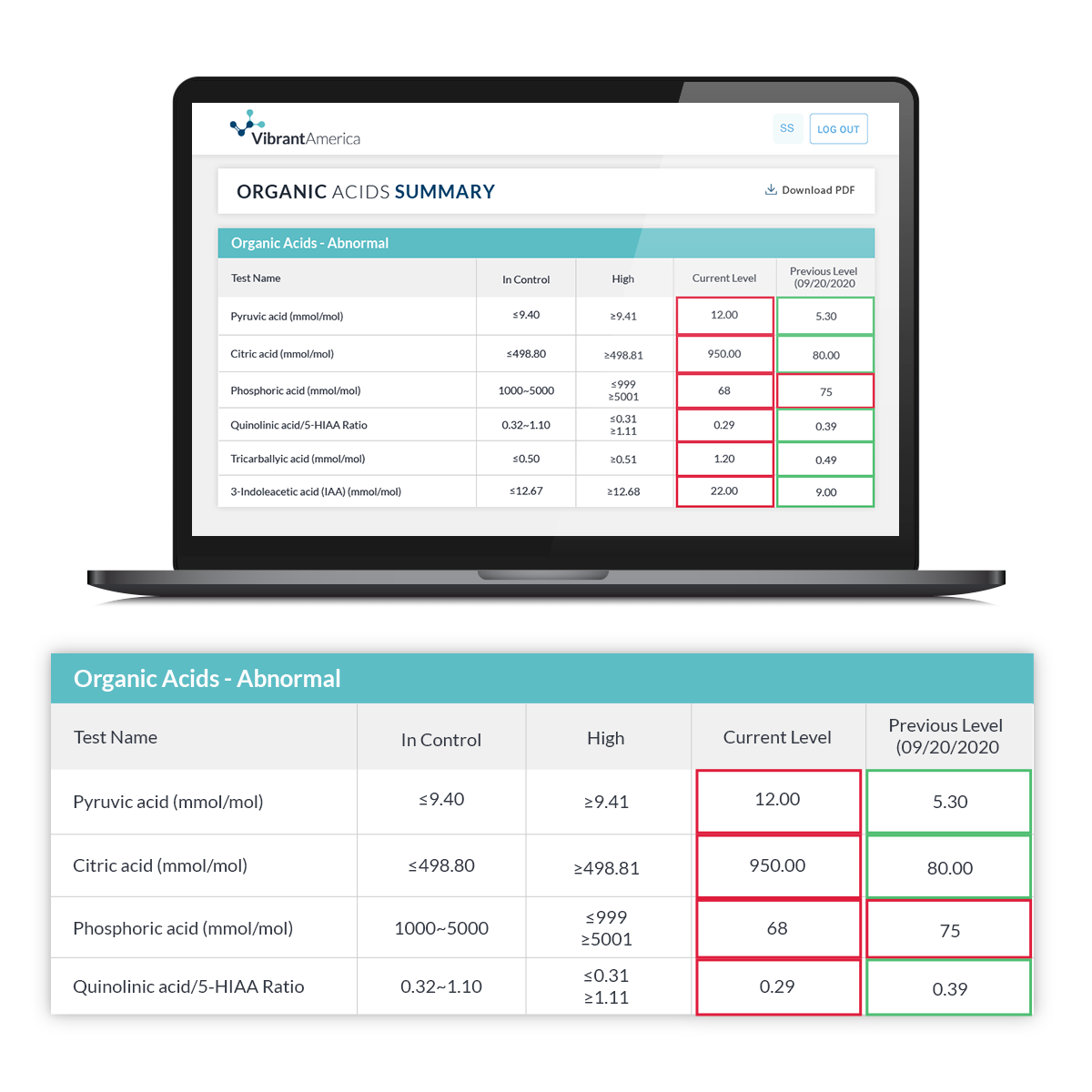
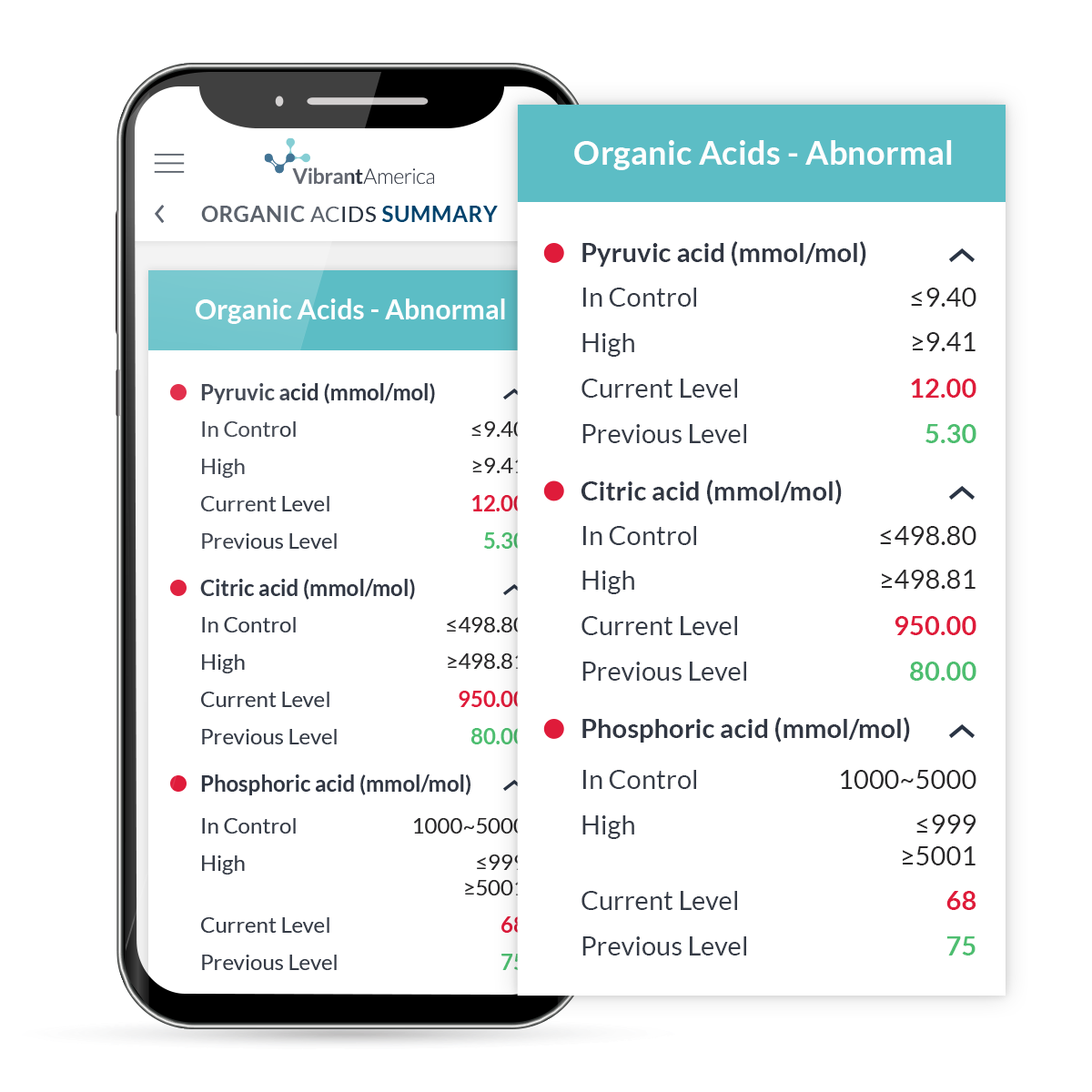
- Sample Report: This document typically outlines the results obtained from the analysis of urine specimens. It’s vital for interpreting findings and making informed decisions based on collected data.
Product Information
What kind of sample is required? ExpandUrine sample is to be collected first thing in the morning.
What to avoid? ExpandTo prepare for the Organic Acids test, avoid apples, grapes, pears, and cranberries as well as their juices or products, and mushrooms and ribose supplements for 48 hours before urine collection. Fasting is not required. For best test performance, collect the first morning urine upon awakening. Do not collect any urine if you awaken and urinate overnight. Do not drink more than 8oz water 1 hour before urine collection as the urine sample may be rejected if the urine is too dilute. Consult with your ordering provider regarding whether to continue or discontinue any other dietary supplements or medications before your test.
Why is the test important? ExpandThe Organic Acids Test detects the organic acids in urine that are byproducts of daily cellular metabolism. The panel can accurately identify conditions associated with genetic disorders, nutrient deficiencies, intestinal dysbiosis, and toxicity from diet and prescription drugs.
What symptoms you might you be experiencing? Expand
The Organic Acids panel is designed to take a broad look at multiple systems affected by inflammation. If you’re experiencing gastrointestinal, neurological, detoxification, toxic exposure, or other inflammatory symptoms, you may benefit from this panel.

About Vibrant Wellness
Vibrant Wellness, situated in San Carlos, CA, is a leading biotech company with CLIA certification and CAP accreditation. We specialize in delivering transformative lab testing that empowers health and wellness providers to identify the root causes of patient health issues. At the forefront of modern medicine and research, we utilize cutting-edge technology to provide personalized health analytics. Our philosophy is grounded in the belief that better health and vibrant longevity can be achieved through individualized solutions based on testing rather than guesswork.It is important to note that Vibrant testing does not demonstrate absolute positive and negative predictive values for any disease state or condition. The clinical utility of our tests has not been fully established. While we validate the accuracy and precision of the testing, the clinical or diagnostic value is not assured. These tests are intended for wellness and informational purposes only. Vibrant actively engages in clinical research on de-identified samples from patients under an IRB, and research publications will follow as the clinical utility becomes well-established.Our tests have been developed in the laboratory, with performance characteristics determined by Vibrant America LLC, a CLIA-certified laboratory (CLIA#: 05D2078809). It’s crucial to note that the test has not been cleared or approved by the U.S. Food and Drug Administration (FDA). While the FDA does not currently clear or approve laboratory-developed tests in the U.S., certification of the laboratory under CLIA is mandatory to ensure test quality and validity.The intended uses of our general wellness test relate to sustaining or improving functions associated with a general state of health, without specifically referring to diseases or conditions. The provided content is for informational purposes only and should not be construed as medical advice. It serves as a tool to aid healthy lifestyle, dietary, and treatment choices in consultation with your healthcare provider. For diagnosis and treatment considerations, consult with your healthcare practitioner.Note that this test is not available in New York.
*These statements have not been evaluated by the Food and Drug Administration. This product is not intended to diagnose, treat, cure, or prevent any disease.